I hated the physical memories the most.
All it took was a trigger—an image, a place, a piece of clothing, a song. It could’ve been something as random as seeing a pregnant woman on the street. Or something subtle like pillow cases with a scent I used to love.
The trigger would pry open a memory in my mind, quietly slipping in like a ghost.
And then—I’m back there.
Back in the past when my pregnant body took the brunt of the emotional shock. My belly was tightening and tightening and tightening. The morning hours blurred into panic as I was rushed to the hospital.

I wasn’t a war veteran, but I understood to some extent what their PTSD was like. Maybe the fireworks on New Year’s Day were just pretty dancing lights. Maybe they were just artful colors streaking the night sky.
Beautiful. Harmless. Nothing to worry about.
But to a soldier, the popping noise awakened memories buried deep in his body. Gunshots and bombs. Bleeding heads and limbs. Death and danger. And as the sky would alight with beautiful fiery colors, his memories spiraled.
My version of PTSD wasn’t like a soldier’s, but it came with hypervigilance and a streak of paranoia. It was as if I was just waiting for the next shoe to drop, expecting another horrible thing to happen. My mind unwillingly replayed the memories, hoping to understand what, when, how, why, who—just so I could be prepared better. Just so that I wouldn’t be caught off-guard again.
Just so that I could really be safe again.
But even though my life months later was better, even though my baby and my body were now healthy, I still wasn’t always safe in my mind.
It was as if my body couldn’t catch up with what my logic knew: It’s all in the past. I’m safe now.
We’re all safe now, right?
I can trust again, right?

One of my coping mechanisms was to research my problems. I liked understanding how things worked, so I could put labels on them, so I could step back and find a way to tackle them more properly.
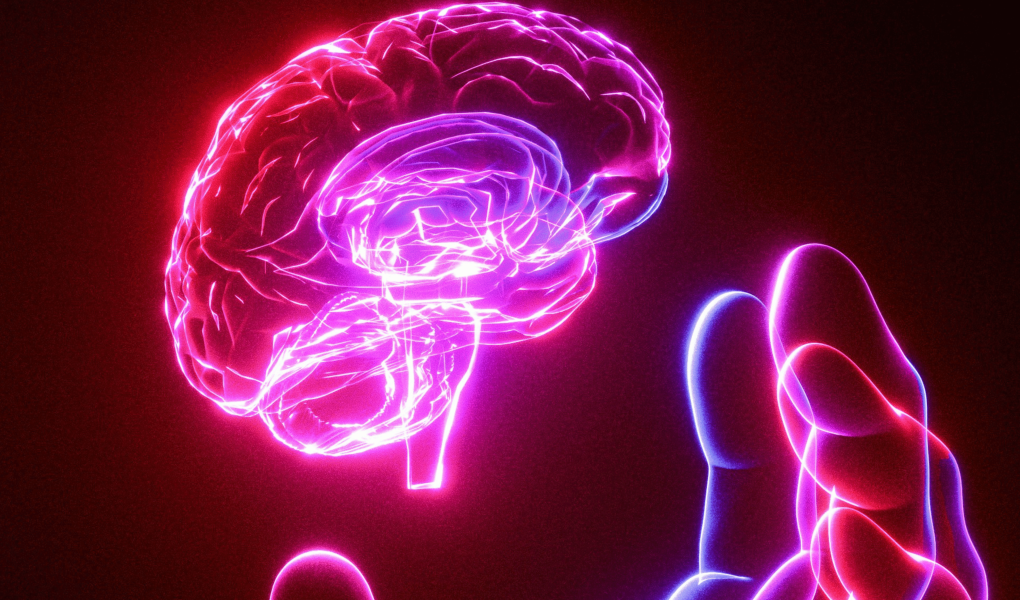
I wanted to understand how my brain changed when I was trying to survive. There’s a ton of books and research out there, but I learned that the basic re-wirings happened in these brain regions:
1. The Amygdala (The Alarm System)
The amygdala scans and detects emotionally significant information, tagging them as potential threats and then triggering the flight-or-fight response.
After trauma, this part becomes hyperactive, firing too easily or never turning off. It turns into the homebase for hypervigilance, anxiety, and the heightened responses to situations that should’ve been safe. It works overtime, connecting the dots to every little sign of danger, hoping to recognize patterns before the threat actually arrives.
As a result, similar situations can trigger the brain, making it think that it’s the same, exact danger as before. Possible dangers are not just potentials anymore, but imminent ones.
To the outsider, this whole thing just looks like overthinking.
But on the inside, it’s the mind bracing itself for another painful impact.
2. The Hippocampus (The Memory Filing Cabinet)
The hippocampus works closely with the amygdala. It acts as the center for forming and indexing memories, tagging them according to time, place, and context for retrieval.
After trauma, this region shrinks in volume and displays unstable functioning. It’s as if the filing cabinets of memories inside were wrecked and mixed up, failing to tag a memory as something that happened in the past. It makes the brain replay the traumatic event as if it was happening in the present (a.k.a. flashbacks).
So, whenever a trigger happens, the mind and body doesn’t just respond to things happening now. It also responds to what happened in the past, unable to delineate if the threats are truly over.
Remembering the danger in the past, and still managing to feel safe in the present are two totally different processes.
3. Medial Prefrontal Cortex (The Rational Brain)
This region is responsible for making decisions, regulating emotions, and calming down the amygdala. It puts a brake on high-emotional responses.
After trauma, the region becomes underactive or offline. When a flashback or trigger happens, it’s as if the “thinking brain” is bypassed, sending the mind and body into a primal flight or fight response to a perceived threat.
With this region going offline, it can be difficult to think clearly or to reason out and feel grounded during an ongoing flashback, panic attack, or anxiety attack.
With all of these brain changes happening, the stress response system is also affected with disrupted cortisol levels, leading to sleep challenges, digestion issues, and other physiological challenges.
An older woman from church once told me that, “It’s all in the past”
Others commented, “Why is she not over it yet?”–as if I was weak in my faith for being unable to forget.
But I couldn’t just turn on a switch in my brain to “forget” (Kindly see brain changes above). If I had it my way, I wished I did have a switch. Or a reset button. One hard push, and my brain could be zapped back to normal.
That would’ve solved all my problems.
Sadly, being human doesn’t work that way.

“What happens when a person gets into a car crash? Imagine all their broken bones.” A friend asked me over chat, keeping me sane mid-spiral. “How long will it take for that person to heal?”
“Years,” I said. “Years of surgeries and therapies. They might not even walk the same way as they did before.”
“Exactly,” he said. “What happened to you was a major mental and emotional car crash.”
He said the injuries weren’t visible on my skin, but it was in my nervous system. In my mind. In the way my brain processed reality.
“There’s no shame in needing time to heal,” he said.
Time.
I sighed. It was going to take time. Healing was going to be a non-linear road full of good days and bad days. One step forward. Two steps back.
And a lot of intentional, Grace-filled work in between.
Though trauma could change the brain, science also proved that these changes weren’t necessarily permanent or irreversible.
The brain was still neuroplastic. It had the capacity to change. To re-wire itself. To be renewed. To be healed. The same brain that learned to anticipate danger could gradually recognize safety again.
But this kind of healing had to come in layers. There was a process to it. There wasn’t going to be an all-in-one antidote to magically reorganize my neural pathways overnight.
And maybe it started with having more compassion for my mind. After all, my brain did its best to adapt and to survive something difficult.
Healing was going to be a daily battle, but with the promise of tomorrow that God was going to get me through.
Romans 12:2 – Do not conform to the pattern of this world, but be transformed by the renewing of your mind. Then you will be able to test and approve what God’s will is—his good, pleasing and perfect will.

References
Bremner, J. D. (2006). Traumatic stress: effects on the brain. Dialogues in Clinical Neuroscience, 8(4), 445–461. https://doi.org/10.31887/dcns.2006.8.4/jbremner
Shin, L. M., Rauch, S. L., & Pitman, R. K. (2006). Amygdala, medial prefrontal cortex, and hippocampal function in PTSD. Annals of the New York Academy of Sciences, 1071(1), 67–79. https://doi.org/10.1196/annals.1364.007
The science and biology of PTSD. (n.d.). PTSD UK. Retrieved October 13, 2026, from https://www.ptsduk.org/what-is-ptsd/the-science-and-biology-of-ptsd/
Photo Credits: